Promotes Dental Health Reduces Tartar Firm, Chewy Texture High Value Treat

Kangaroo Dental Chews For Dogs

66 total reviews

Skip to product information
1 of 5
Promotes Dental Health Reduces Tartar Firm, Chewy Texture High Value Treat

Kangaroo Dental Chews For Dogs

66 total reviews

Size
All RxTheraDiet products that use kangaroo as their main source of protein. Please note that the sale of kangaroo is restricted in California.
Select a purchase option

Key Benefits

  • Single, novel protein source (kangaroo)
  • Contains sodium hexametaphosphate for tartar control
  • Unique texture and shape promote chewing

Description

Rayne Rewards Kangaroo Dental Chews contain a single novel protein source for use in otherwise healthy, stable food allergic dogs. The inclusion of sodium hexametaphosphate along with the mechanical action of chewing helps to reduce tartar and promote oral health in canine patients.

Both the small dog and large dog products contain 28 chews per bag. The large dog chews measure approximately 4" x 1", while the small dog chews measure approximately 3.5" x 0.75".

Ingredients

Dried banana, potato flour, tapioca starch, vegetable glycerine, dried kangaroo, natural flavoring, sodium hexametaphosphate, smoke flavor, citric acid, parsley flakes, buffered vinegar.

Indications

  • Safe and effective compliance aid for otherwise healthy, stable food allergic patients
  • Aid in maintenance of oral health

Diet Page

CLICK HERE for the detailed diet page.

A Tasty Reward with Oral Health Benefits

  • Sustainably Harvested Kangaroo

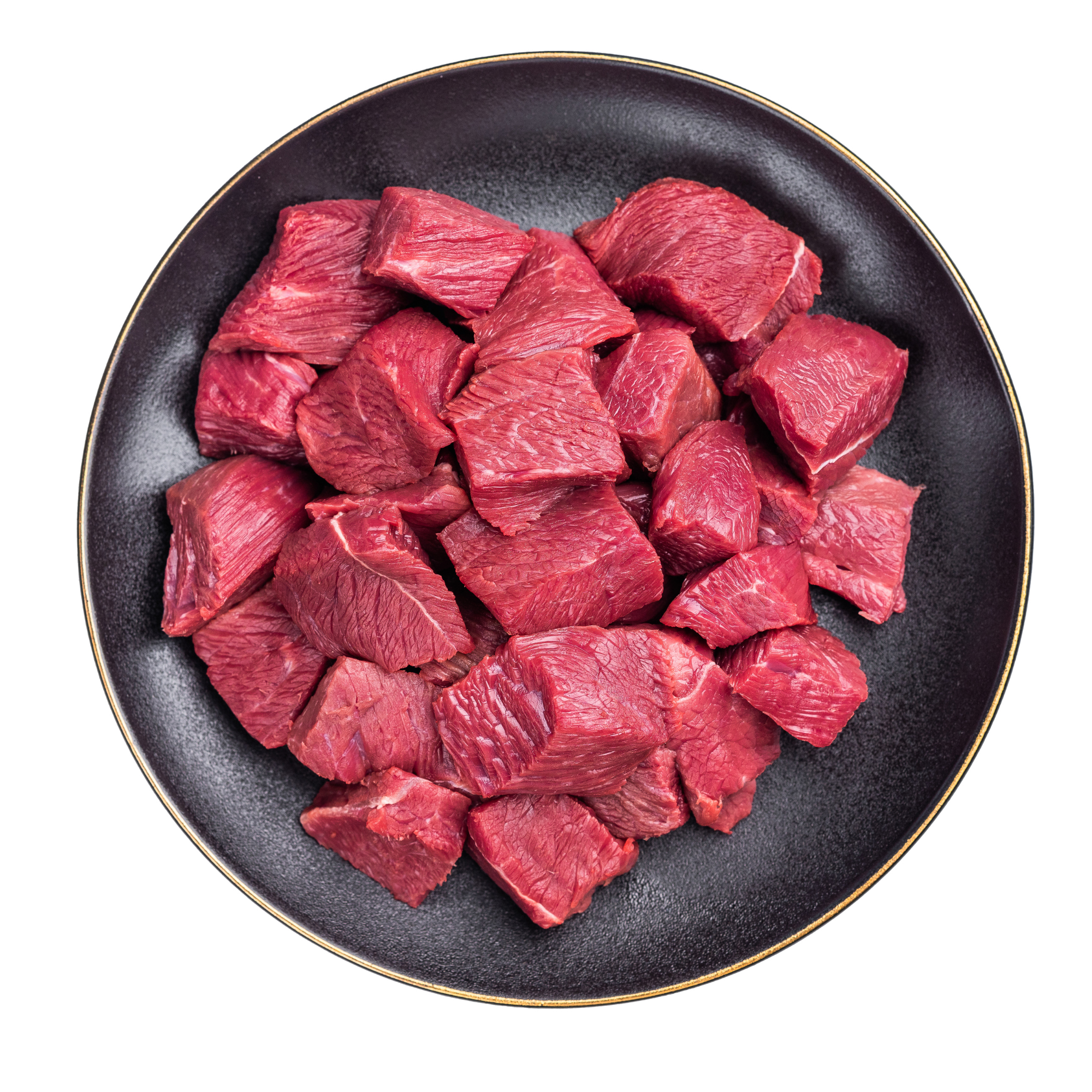
    Our kangaroo meat is sourced from Australia providing a naturally high-protein, low-fat option that supports lean, healthy body condition. Kangaroo is an excellent option for pets with suspected food allergies who need a diet free from common proteins like chicken and beef.

  • Dental Health Support

    The inclusion of sodium hexametaphosphate aids in safe and effective plaque reduction and tartar control.

  • Elevate Treat Time

    Deliciously chewy, these treats turn good behavior into healthy, tail-wagging moments.

1 of 3

Rayne FAQs

Does Rayne use recyclable packaging?

The box your shipment arrives in, the kraft packing materials, the cans, and the cartons are all recyclable. Please check with your local recycling program to be sure that all materials are accepted.

Are your cans and cartons BPA-free?

Yes! All of the cans and cartons used for our pate and stew diets are BPA-free.

Why is my canned food sometimes softer than other batches?

Our canned food product textures are sensitive to ingredient variability because we do not use carrageenan—a hydrocolloid commonly used in canned pet and human foods to firm and bind meat products. Carrageenan is very reliable at making different batches of food match in texture. We don’t use carrageenan because of questions regarding its association with a variety of health issues in pets. Instead of carrageenan, we use an ingredient called guar bean gum—guar beans are ground into powder and mixed with the meat—and sometimes cassia beans. Guar and cassia beans are less effective binders than carrageenan and also create a less forgiving formula that is more likely to react to even small changes. Despite these challenges, we believe using these healthier ingredients is the right thing to do for pets eating our diets.

Why do my jerky treats look different from bag-to-bag?

This primarily because we use whole food ingredients in our jerky treats. The use of real meat means that fat content will vary from batch to batch; however, even if the meat is leaner in a batch, we still must cook the jerky at the same temperatures due to FDA regulations. This can lead to a dryer looking batch of jerky. Depending on different environmental factors, our manufacturing team may also choose to dry a batch more than usual to prevent mold.

What does my kangaroo diet look different each time?

Working with kangaroo meat is challenging. 100% of the world's supply of kangaroo comes from humane population control in Australia. As it is a wild killed animal, the nature of the meat changes for many reasons. Not only is it a very naturally lean meat, but due to the nature of the way the kangaroo is raised (wild), we are at the mercy of the lifestyle, environment, and the diet of the kangaroos. As a result, the meat can come out dark and tough, or fattier and soft, and anything in between. If you, or anyone you know is a hunter who eats their catch, they will be able to vouch for the nature of wild caught meat, and the texture of the meat varying. With kangaroos, living in a very hot climate, there are many long periods of drought, and this can also result in the meat being darker, tougher, etc.

Why does my rabbit diet look different each time?

To ensure a consistent, high-quality supply of a protein, it must be one that is being raised for human consumption. In North America, we tend to keep rabbits as pets, not for food, and there are very few rabbit meat breeders. Rayne sources the rabbit for our novel protein diets from Europe (Italy and France), countries where rabbit is a common staple in the human diet.

 The rabbit industry is a small farm, cottage industry, and the rabbits bred for meat vary in breed, size, diet, etc. We have a high protein content for our diets, meaning that we require a lot of meat to produce them. Because of this, certain batches may be darker, have less moisture, etc.

GREAT for food allergy dogs

Review Image
★ ★ ★ ★ ★
April 2025

Katie S. Verified buyer

My food allergic German Shepherd LOVES these dental chews! They don’t upset her stomach and her sister also loves the bonus treat!

Making Dental Care a Treat, Not a Chore

Take the Guesswork Out of Your Dog's Meal Time

Quick, easy, and accurate — click below to find the perfect portion size for your dog with
Rayne's Feeding Calculator or learn how to perfect a switch in food with Rayne's Diet Transition Guide.